



Can Flameproof (Ex d) Equipment Use Plastic Enclosures?
Time:2025-12-17
|
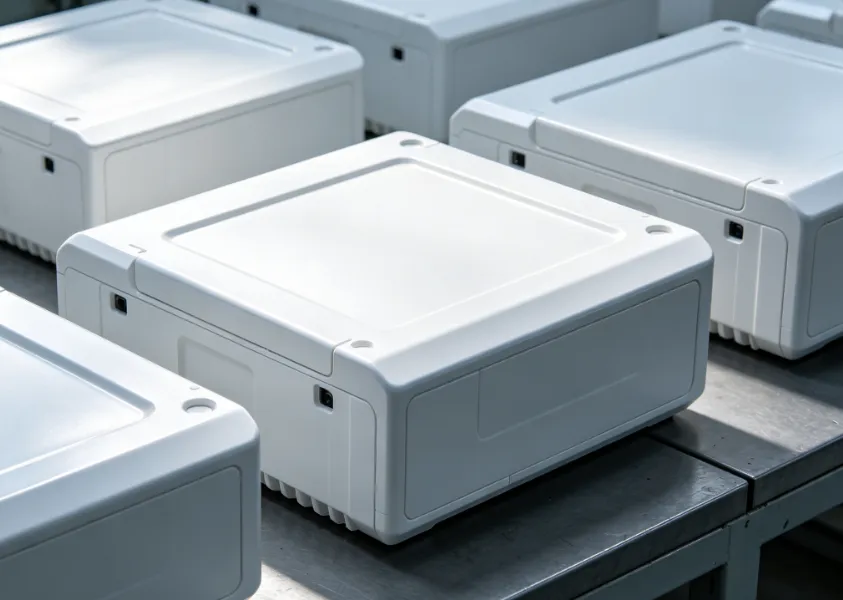
Flameproof protection (Ex d) is one of the most widely used explosion protection methods in hazardous industrial environments. Its core purpose is to prevent internal explosions from igniting the surrounding explosive atmosphere. But how does a flameproof enclosure actually work? And can plastic materials be used for Ex d equipment? STS briefly explains the working principle and material requirements of flameproof enclosures below. |
 |
What Is a Flameproof (Ex d) Enclosure?
A flameproof enclosure is designed to withstand an internal explosion of a flammable gas mixture that may enter the enclosure through joints, gaps, or structural openings.
Even if an explosion occurs inside the equipment:
- • The enclosure will not rupture or be damaged
- • Flames will not ignite the external hazardous atmosphere
- • The explosion will remain safely contained inside the enclosure
This is the fundamental principle of Flameproof Protection (Ex d).
How Does Flameproof Protection Work?
Flameproof protection is achieved through two key mechanisms:
1. Explosion-Resistant Enclosure Strength
The enclosure itself must have sufficient mechanical strength to withstand the pressure generated by an internal explosion.
Even under explosive conditions:
- • The enclosure remains intact
- • No dangerous deformation occurs
- • External hazardous gases are protected from ignition
This is why Ex d equipment is typically heavier and more robust than ordinary industrial equipment.
2. Flame Quenching Through Flame Paths
A flameproof enclosure is not completely sealed.
Instead, carefully engineered gaps known as flame paths or flame extinguishing passages exist between enclosure joints.
When hot gases or flames from an internal explosion pass through these narrow and extended gaps:
- • The flame temperature drops rapidly
- • Heat energy is dissipated
- • The flame is extinguished before reaching the external atmosphere
As a result:
- • External explosive gases or vapors cannot be ignited
- • Explosion-proof safety is maintained
The dimensions of these flame paths—including gap width, surface roughness, and joint length—are strictly controlled by explosion-proof standards.
Common Materials Used for Flameproof Enclosures
Because flameproof enclosures must provide both:
- • Explosion resistance
- • Mechanical durability
they are commonly manufactured using high-strength materials such as:
- • Aluminum alloy
- • Cast iron
- • Cast aluminum
- • Stainless steel
These materials can withstand internal explosion pressure while maintaining the integrity of flame paths.
Can Plastic Materials Be Used for Ex d Equipment?
In general, plastic materials have difficulty meeting the strict mechanical and thermal requirements of flameproof protection.
However, plastic enclosures can still be used in certain flameproof applications if they successfully pass the required explosion-proof certification tests.
These tests may include:
- • High and low temperature resistance testing
- • Surface resistance testing
- • UV/light resistance testing
- • Mechanical impact testing
- • Resistance to emulsified liquids (for Group I equipment)
Only after meeting all relevant standards can a plastic enclosure be approved for flameproof applications.
Conclusion
Flameproof (Ex d) protection works by:
• Containing internal explosions safely inside the enclosure
• Preventing flames from igniting the external hazardous atmosphere through engineered flame paths
Because of these strict safety requirements, flameproof enclosures are usually made from high-strength metal materials. While plastic enclosures are possible in some cases, they must meet rigorous explosion-proof testing and certification requirements.
Understanding the principles and material requirements of Ex d protection is essential for selecting safe and compliant equipment for hazardous.
|
Flameproof protection (Ex d) is one of the most widely used explosion protection methods in hazardous industrial environments. Its core purpose is to prevent internal explosions from igniting the surrounding explosive atmosphere. But how does a flameproof enclosure actually work? And can plastic materials be used for Ex d equipment? STS briefly explains the working principle and material requirements of flameproof enclosures below. |
|
What Is a Flameproof (Ex d) Enclosure?
A flameproof enclosure is designed to withstand an internal explosion of a flammable gas mixture that may enter the enclosure through joints, gaps, or structural openings.
Even if an explosion occurs inside the equipment:
- • The enclosure will not rupture or be damaged
- • Flames will not ignite the external hazardous atmosphere
- • The explosion will remain safely contained inside the enclosure
This is the fundamental principle of Flameproof Protection (Ex d).
How Does Flameproof Protection Work?
Flameproof protection is achieved through two key mechanisms:
1. Explosion-Resistant Enclosure Strength
The enclosure itself must have sufficient mechanical strength to withstand the pressure generated by an internal explosion.
Even under explosive conditions:
- • The enclosure remains intact
- • No dangerous deformation occurs
- • External hazardous gases are protected from ignition
This is why Ex d equipment is typically heavier and more robust than ordinary industrial equipment.
2. Flame Quenching Through Flame Paths
A flameproof enclosure is not completely sealed.
Instead, carefully engineered gaps known as flame paths or flame extinguishing passages exist between enclosure joints.
When hot gases or flames from an internal explosion pass through these narrow and extended gaps:
- • The flame temperature drops rapidly
- • Heat energy is dissipated
- • The flame is extinguished before reaching the external atmosphere
As a result:
- • External explosive gases or vapors cannot be ignited
- • Explosion-proof safety is maintained
The dimensions of these flame paths—including gap width, surface roughness, and joint length—are strictly controlled by explosion-proof standards.
Common Materials Used for Flameproof Enclosures
Because flameproof enclosures must provide both:
- • Explosion resistance
- • Mechanical durability
they are commonly manufactured using high-strength materials such as:
- • Aluminum alloy
- • Cast iron
- • Cast aluminum
- • Stainless steel
These materials can withstand internal explosion pressure while maintaining the integrity of flame paths.
Can Plastic Materials Be Used for Ex d Equipment?
In general, plastic materials have difficulty meeting the strict mechanical and thermal requirements of flameproof protection.
However, plastic enclosures can still be used in certain flameproof applications if they successfully pass the required explosion-proof certification tests.
These tests may include:
- • High and low temperature resistance testing
- • Surface resistance testing
- • UV/light resistance testing
- • Mechanical impact testing
- • Resistance to emulsified liquids (for Group I equipment)
Only after meeting all relevant standards can a plastic enclosure be approved for flameproof applications.
Conclusion
Flameproof (Ex d) protection works by:
• Containing internal explosions safely inside the enclosure
• Preventing flames from igniting the external hazardous atmosphere through engineered flame paths
Because of these strict safety requirements, flameproof enclosures are usually made from high-strength metal materials. While plastic enclosures are possible in some cases, they must meet rigorous explosion-proof testing and certification requirements.
Understanding the principles and material requirements of Ex d protection is essential for selecting safe and compliant equipment for hazardous.